AI Analytics
Predictive Alerts
Valvix AI analyzes patterns across all your sensors and flags developing problems hours before they become visible — giving you time to act, not just react.
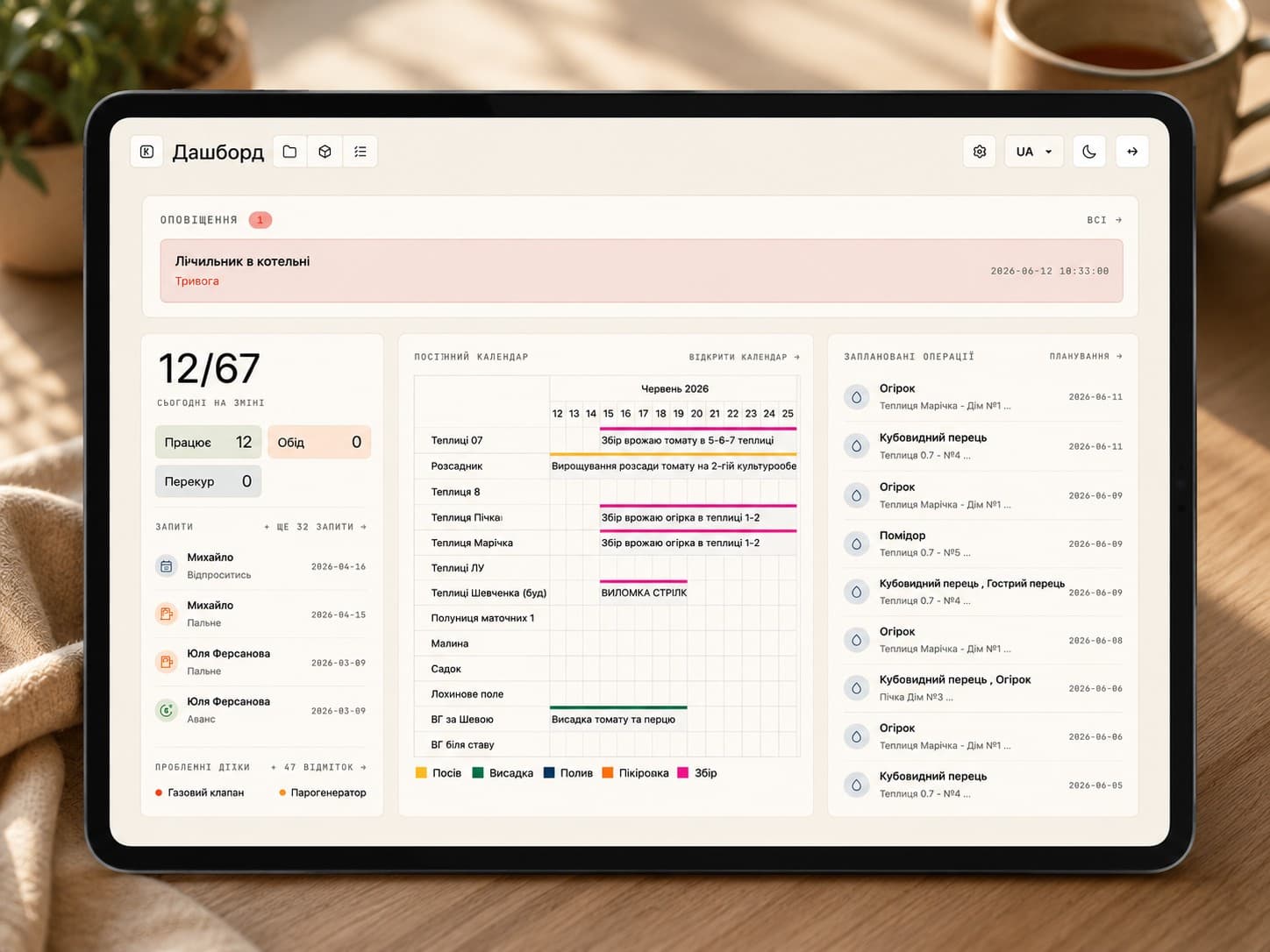
- Average warning time before damage
- 3–8h
- Alert accuracy across deployments
- 94%
- Time from detection to notification
- <30s
The Problem
By the time you see a problem with your crop, significant damage has already happened. Standard threshold alerts only fire after something has already gone wrong. Predicting issues before they occur requires analyzing patterns across dozens of sensors simultaneously — something no human team can do continuously.
No way to correlate events across zones manually
Intermittent issues that don't trigger simple alerts go unnoticed
Staff fatigue leads to alert blindness when everything rings at once
How Valvix Solves It
AI learns your farm's normal patterns
During the first 2–4 weeks, Valvix AI builds a baseline model of normal sensor behavior for your specific crop, climate, and infrastructure.
Continuous anomaly detection runs 24/7
The model compares live data against expected patterns every second. Subtle deviations that human observers would miss are flagged immediately.
Root cause analysis in plain language
When an anomaly is detected, Valvix explains what it found: 'Zone 3 humidity rising faster than expected — possible ventilation issue' — not just raw numbers.
Prioritized alerts reach the right person
Alerts are scored by urgency and routed to the responsible person. Critical alerts escalate if not acknowledged within a set time.
Real Installations
What You Get
Hours of advance warning
Detect problems 3–8 hours before they become visible to the eye
94% alert accuracy
Low false positive rate means alerts are taken seriously, not ignored
Plain-language explanations
Every alert includes what happened, why it matters, and what to check
Response tracking
See how long each alert took to resolve and who handled it
Learning over time
The AI improves with every alert — fewer false positives each season
Role-based routing
Critical alerts go to the manager; routine ones go to the shift worker
Common Questions
How does the AI know what's 'normal' for my farm?
Valvix AI builds a personalized baseline during an initial learning period of 2–4 weeks. It accounts for your specific crop, climate zone, infrastructure, and seasonal patterns.
Will I get too many false alerts?
The system is designed to minimize false positives. During the learning phase, alert sensitivity is conservative. As the model improves, accuracy increases. Most users report fewer than 3 false alerts per week after month one.
What happens if I miss an alert?
Critical alerts escalate automatically — a second notification goes out after 15 minutes of no response, and a third to a backup contact after 30 minutes.
Can I customize what triggers an alert?
Yes. In addition to AI-generated alerts, you can define your own threshold rules. Valvix combines both approaches for maximum coverage.
Does this replace the need for on-site staff?
No — it makes on-site time much more productive. Staff respond to real issues instead of running routine checks on zones that are performing normally.
Ready to automate your operation?
Free consultation · No obligation
Request a Demo →Explore More Applications
Infrastructure
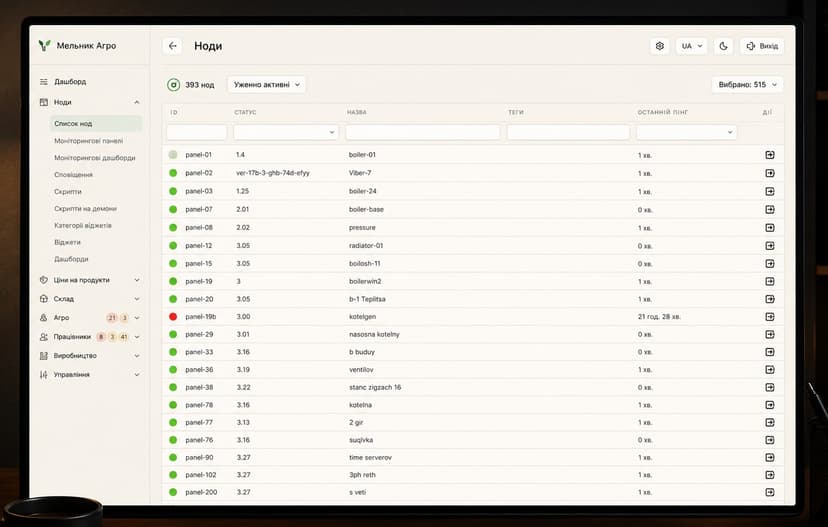
Scalable Infrastructure
Valvix grows with your operation — from a single greenhouse zone to hundreds of locations — without replacing equipment or switching platforms.
Read more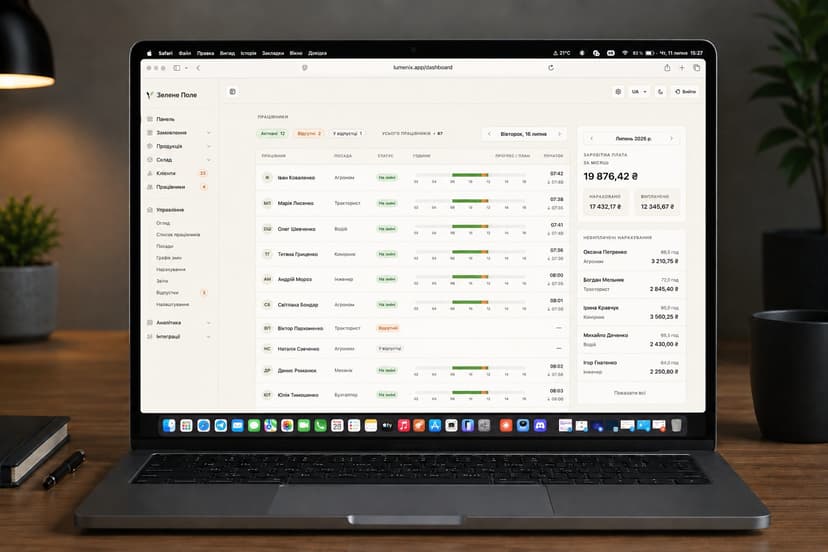
Team Management
Workforce Management
Valvix helps you plan, coordinate, and evaluate your farm team — with shift scheduling, task tracking, and performance reporting all in one place.
Read more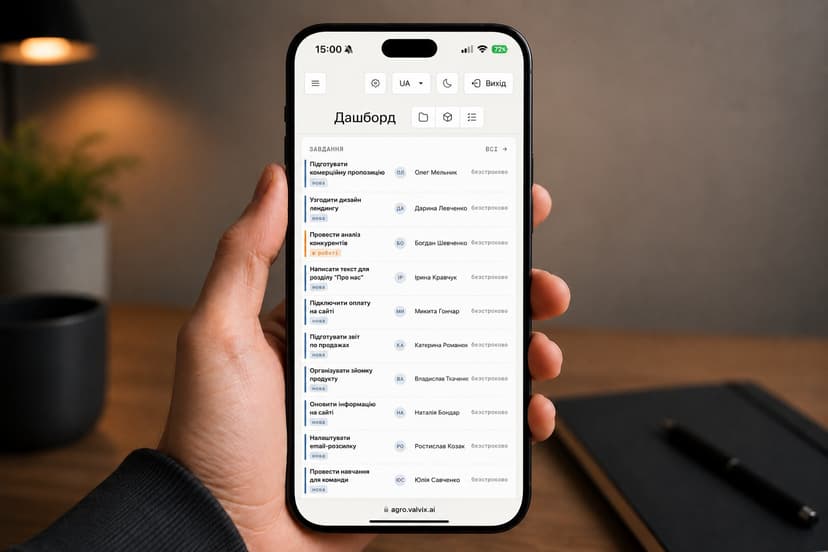
Operations
Task Management
Valvix creates, assigns, and tracks operational tasks across your team — with automatic task generation based on sensor readings and scheduled maintenance.
Read more