AI Analytics
Yield Optimization
Valvix AI analyzes your complete farm history and suggests specific, data-backed changes to growing conditions — so every cycle performs better than the last.
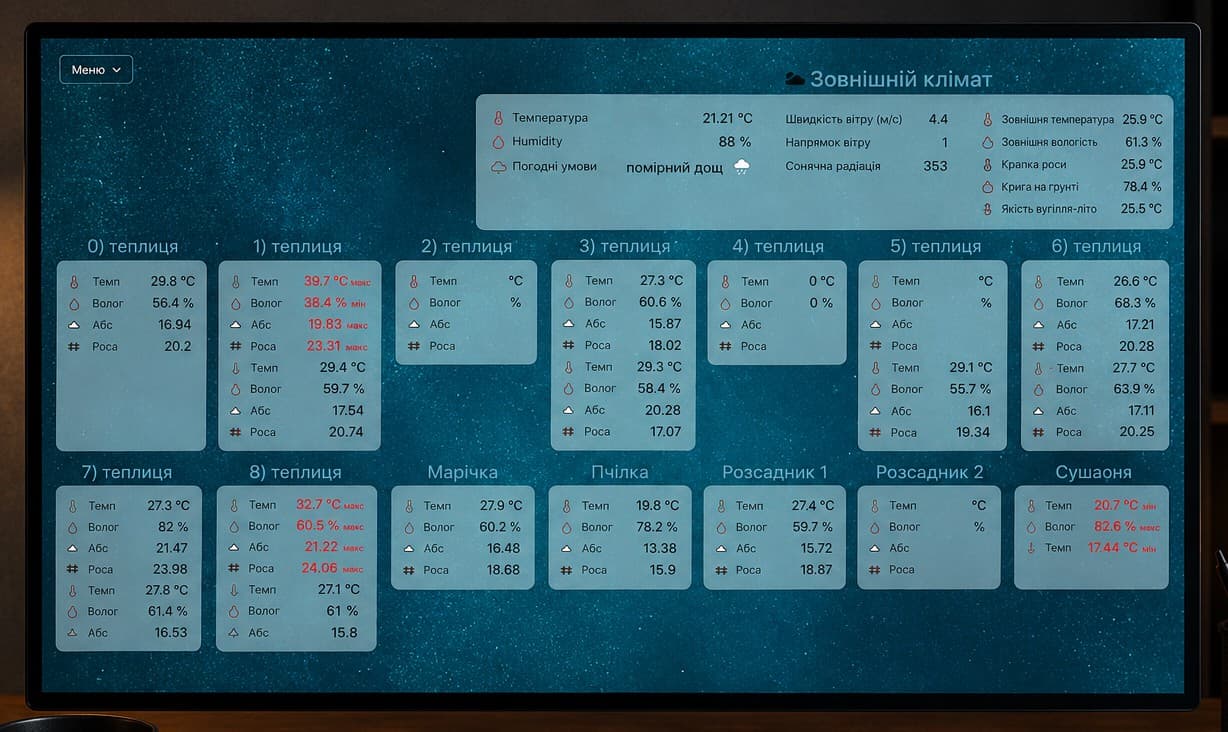
- Average yield improvement
- 22%
- When optimization effects are strongest
- Season 2
- Based on your own farm data
- 100%
The Problem
Most growers know their yields could be better — but don't know exactly what to change. Generic agronomic advice ignores the specific conditions of your farm, your equipment, and your local climate. Improving yield requires understanding what actually drove your best results.
Good harvests are hard to replicate because the reasons aren't documented
Trying new approaches risks an entire cycle without certainty of improvement
No way to test the effect of a single variable without a controlled experiment
How Valvix Solves It
Valvix correlates every input with harvest outcomes
Temperature, humidity, irrigation, EC, light, and timing data from each cycle is linked to the yield data you enter at harvest.
AI identifies the conditions that produced your best results
Statistical models find which environmental parameters correlated with above-average yields in your specific history.
Optimization suggestions are ranked by expected impact
Valvix shows specific recommendations — 'Increase nighttime EC by 0.2 in zones 2–4' — with the evidence from your own data that supports each one.
Changes are applied as new target parameters
Approved suggestions can be applied directly to zone settings — Valvix will maintain the new targets automatically.
Results are tracked and the model updates
At the next harvest, actual results are compared to predictions. The model learns from the outcome and refines future suggestions.
Real Installations
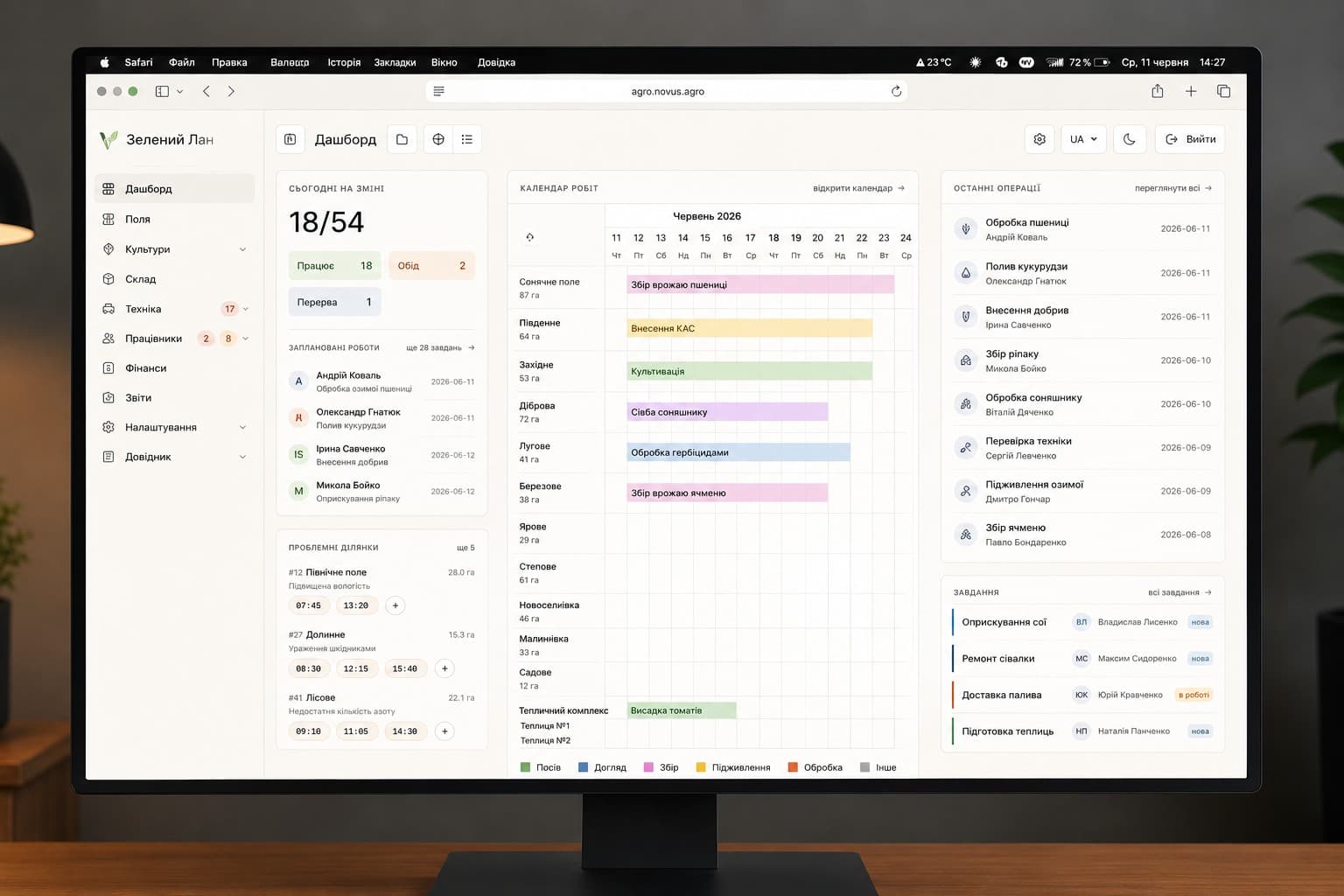
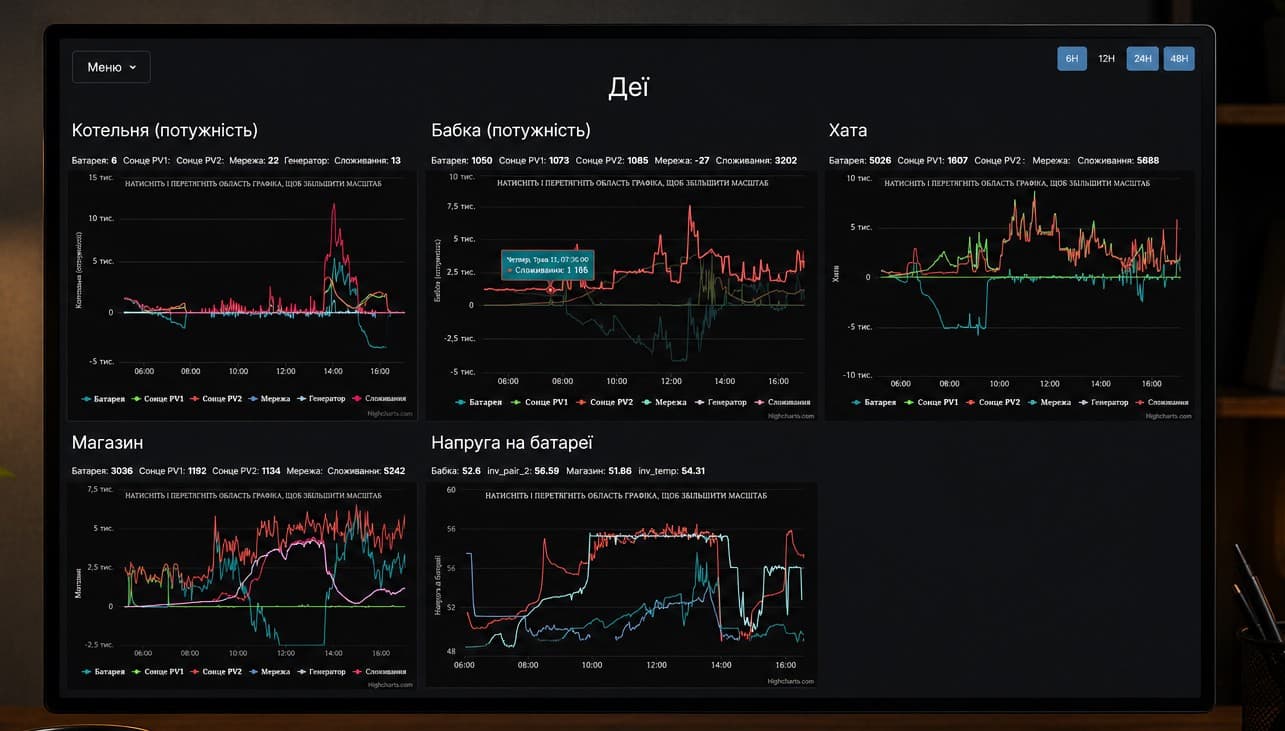
What You Get
22% average improvement
Measured across farms in their second season using Valvix optimization
Evidence-backed suggestions
Every recommendation links to the specific data from your history that supports it
Single-variable analysis
Understand the effect of changing one parameter while holding others constant
One-click application
Approved suggestions apply directly to zone targets — no manual reconfiguration
Continuous refinement
The model updates every cycle, getting more accurate as your history grows
Cycle comparison
See yield, quality, and input cost side by side across all your growing cycles
Common Questions
How much data does Valvix need before making suggestions?
Valvix begins generating initial suggestions after 2 full growing cycles. Suggestions become significantly more accurate after 4–6 cycles as the model builds a richer baseline.
Do I have to apply every suggestion?
No. All suggestions are optional. You can review the supporting evidence, discuss with your agronomist, and decide which to apply. Valvix tracks outcomes regardless.
Can the system suggest changes that might harm the crop?
The system flags suggestions that deviate significantly from standard agronomic ranges and requires additional confirmation before they can be applied.
Does optimization work for all crop types?
Valvix optimization works for any crop where you can measure environmental conditions and log yield outcomes. It has been used successfully for tomatoes, peppers, cucumbers, lettuce, herbs, strawberries, and roses.
What if my yield data is only approximate?
The system works with approximate yield data. More precise data (by zone and grade) produces more accurate suggestions, but even farm-level totals are useful for the correlation models.
Ready to automate your operation?
Free consultation · No obligation
Request a Demo →Explore More Applications
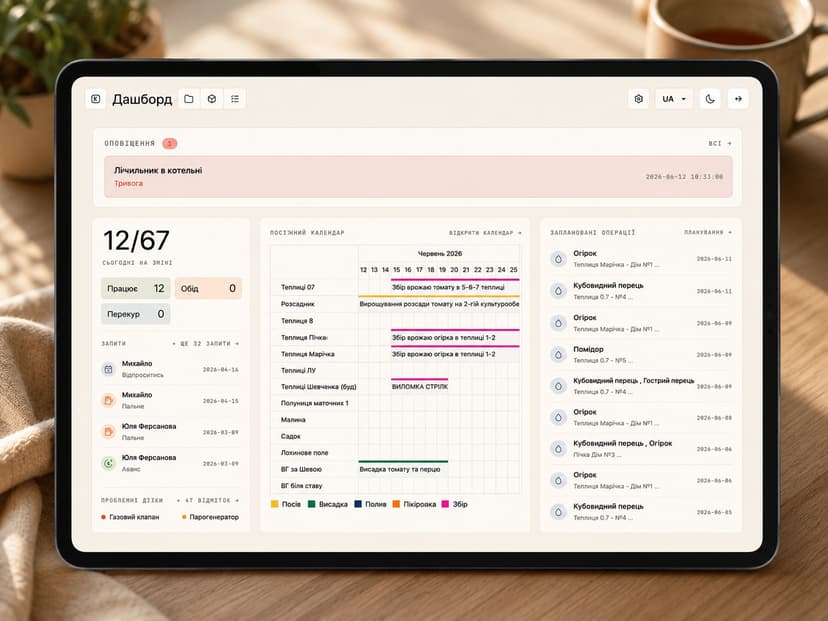
AI Analytics
Predictive Alerts
Valvix AI analyzes patterns across all your sensors and flags developing problems hours before they become visible — giving you time to act, not just react.
Read more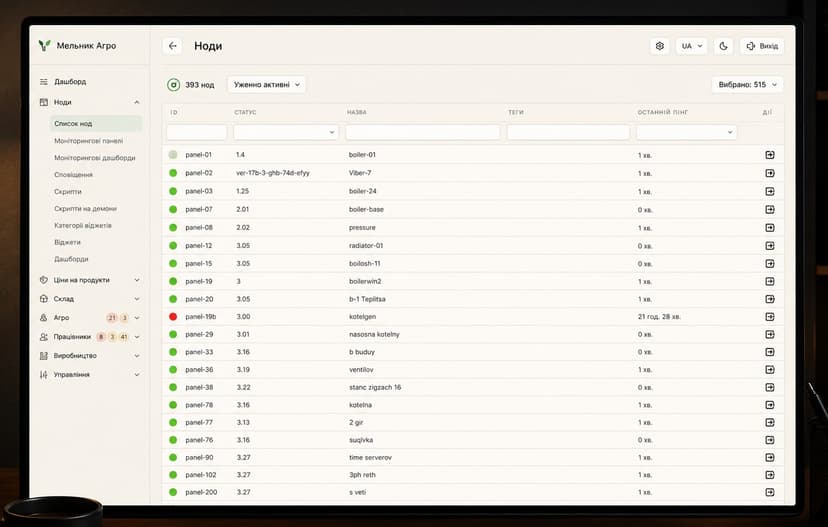
Infrastructure
Scalable Infrastructure
Valvix grows with your operation — from a single greenhouse zone to hundreds of locations — without replacing equipment or switching platforms.
Read more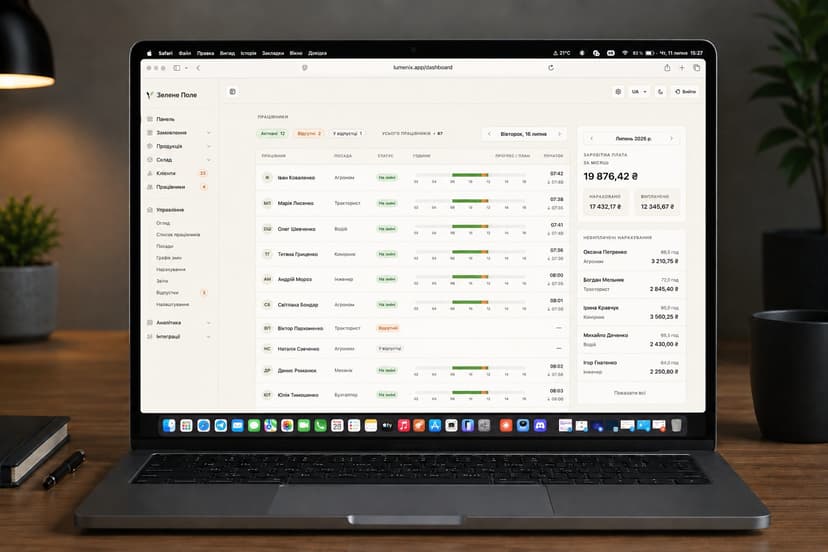
Team Management
Workforce Management
Valvix helps you plan, coordinate, and evaluate your farm team — with shift scheduling, task tracking, and performance reporting all in one place.
Read more